

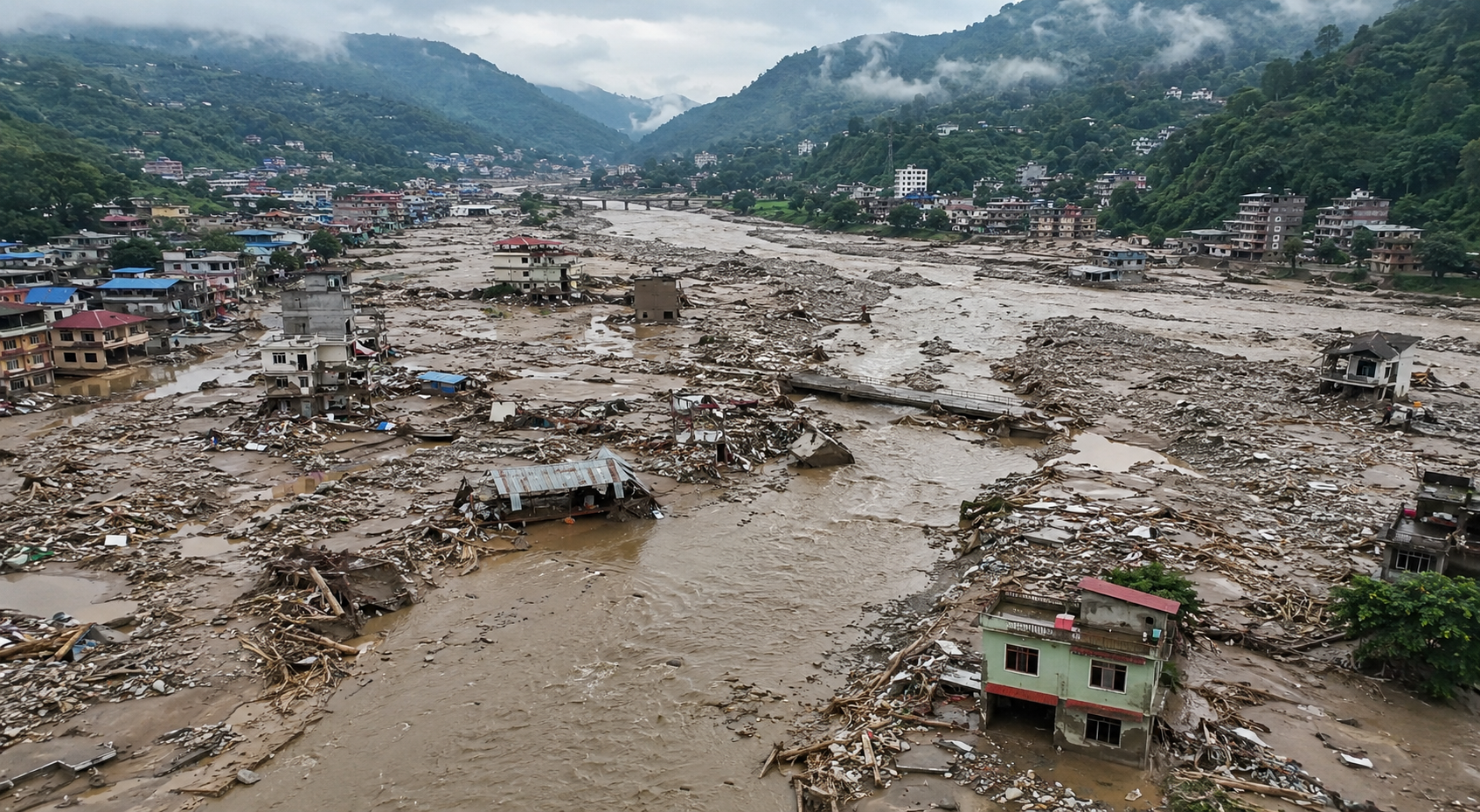


When the River Took Everything: Nepal’s Recent Flood Disaster
On August 26, Nepal woke up to a disaster that would leave scars far beyond the places where the floodwaters first arrived. A sudden and devastating surge swept through communities along the Bhotekoshi River in Rasuwa before moving downstream through the Trishuli river system. Within a short period of time, homes, roads, bridges, vehicles, businesses and critical infrastructure were swallowed by water, mud and debris.
What followed was more than a natural disaster. It became a heartbreaking search for people who could no longer be found, families waiting for news, survivors trying to understand what had happened, and communities facing the enormous task of rebuilding what remained.
As of August 31, Nepal's disaster authority reported that 903 people had died and 4,247 remained unaccounted for. More than 10,000 people had been rescued, while thousands of security personnel and rescue workers continued operations across affected districts. These numbers are not just statistics. Behind every number is a person, a family, a home, a story, and someone waiting for answers.
In a Matter of Moments, Everything Changed
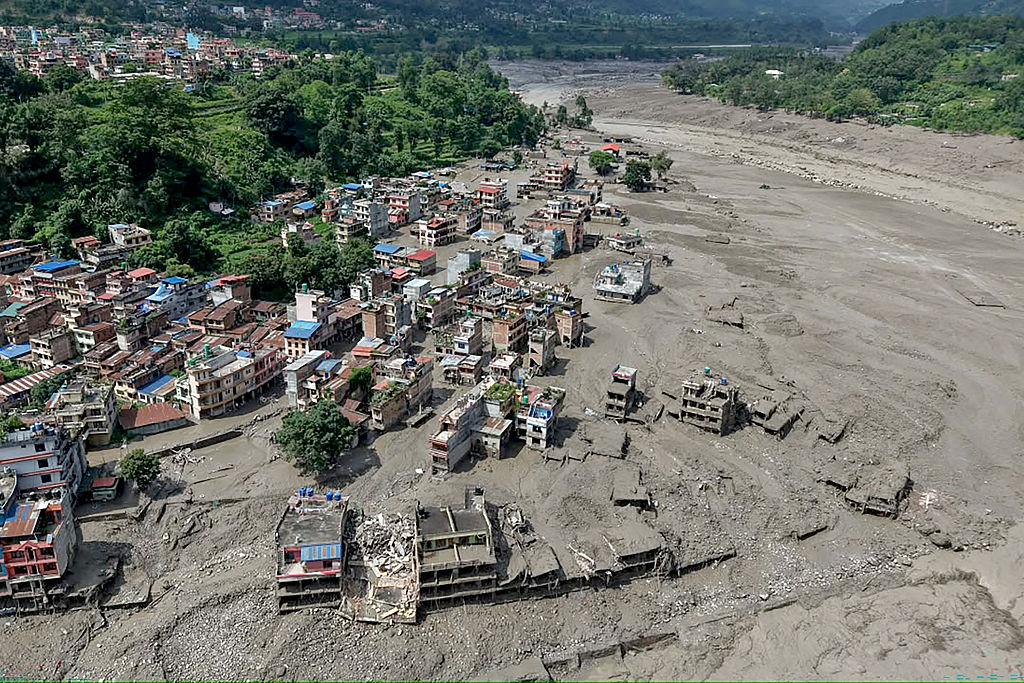
The disaster struck with extraordinary force. The initial flooding in the Rasuwa area sent enormous amounts of water and debris downstream, damaging communities and infrastructure along the river corridors. Reports indicate that the flooding destroyed bridges and major stretches of road, making access to some affected areas extremely difficult.
For the people living there, there was little time to understand what was happening. The flood did not simply damage homes; it separated families, destroyed livelihoods, swept away vehicles and cut off communities from the outside world.
Places that had been ordinary parts of people's daily lives suddenly became disaster zones.
A home where a family had spent years building memories could disappear within minutes. A road that connected communities could be gone. A workplace could be buried beneath mud. And for many families, the most painful loss was not something that could ever be rebuilt.
Behind Every Missing Name Is a Family Waiting
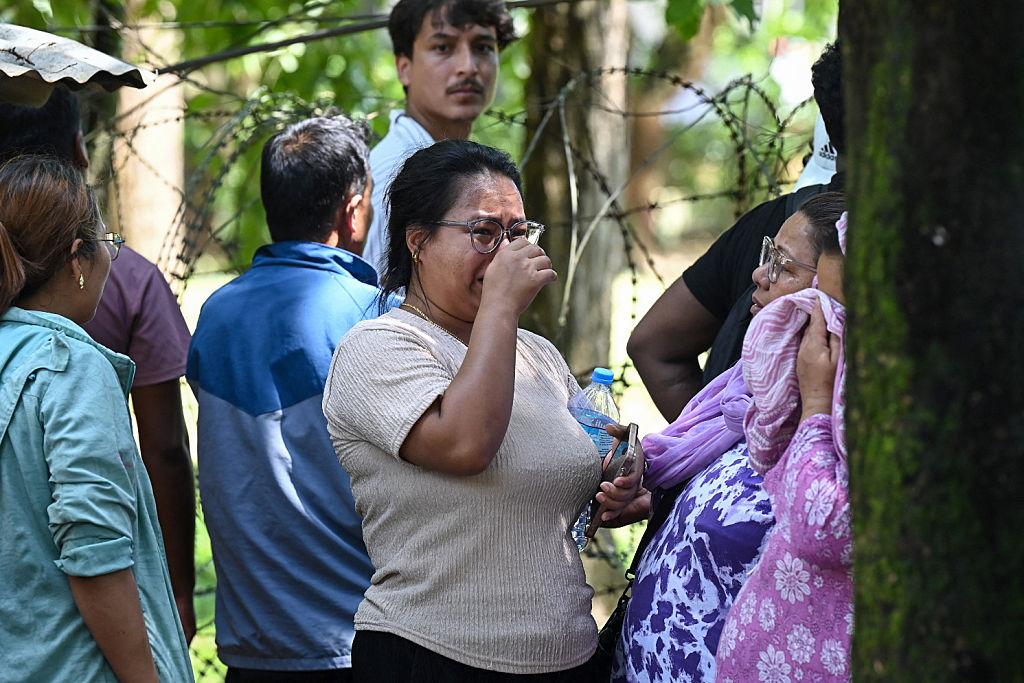
Perhaps the most painful part of the disaster is the number of people who remain unaccounted for. As rescue teams continue searching rivers, debris and damaged structures, thousands of families are still waiting for information about their loved ones. The number has changed as authorities continue reconciling reports from different locations and identifying people who were missing.
For a family waiting outside a hospital, a relief centre, or a government office, a number on a news report means something very different. It represents a father who hasn't returned home, a brother whose phone no longer rings, a daughter who was travelling, a colleague who never came back, or a loved one whose whereabouts remain unknown.
There is a particular kind of pain in not knowing.
And while rescue teams continue doing everything they can to find survivors and recover those who were lost, thousands of families continue to live through that uncertainty.
They are not waiting for a statistic.
They are waiting for someone they love.
The Disaster Reached Far Beyond One District
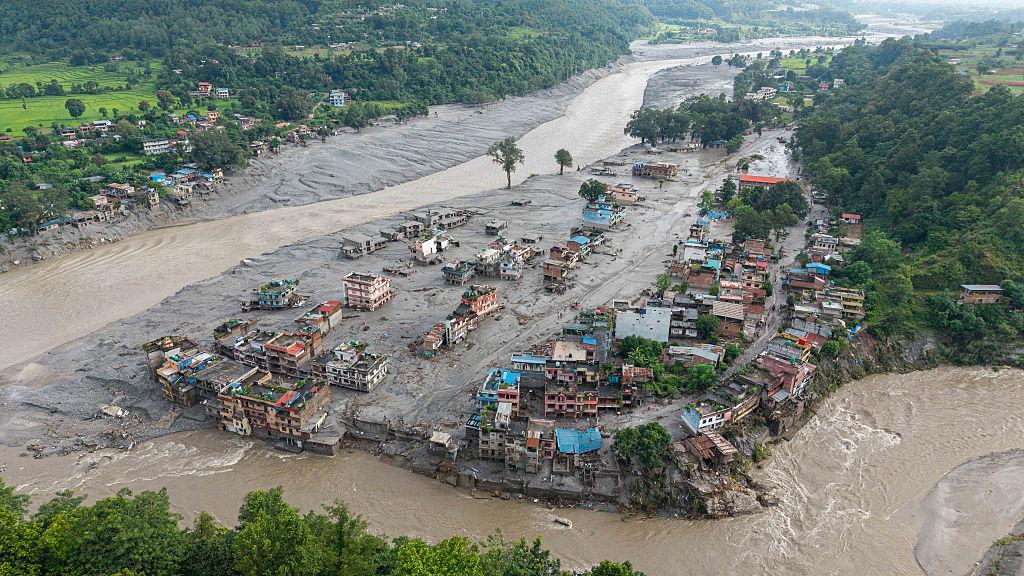
What began in the northern border region did not remain there. Because the Bhotekoshi feeds into the Trishuli river system, floodwaters and debris travelled far downstream, affecting communities across multiple districts. Bodies and remains were recovered hundreds of kilometres away from the initial disaster area, turning the response into a much wider search and recovery operation.
Rasuwa, Nuwakot, Dhading, Gorkha, Tanahun, Chitwan and parts of Nawalparasi were among the areas affected. The scale of the flooding meant that the disaster was no longer limited to one community or one valley. Its effects spread along the river system, touching people who may have been far from where the flood first began.
The damage has also extended to infrastructure that communities depend on every day. Roads and bridges were destroyed, hydropower facilities were severely affected, and access to some areas became extremely difficult. The consequences therefore extend beyond the immediate loss of life and property.
For many communities, the road to recovery will be long.
Rescue Teams Have Been Racing Against Time
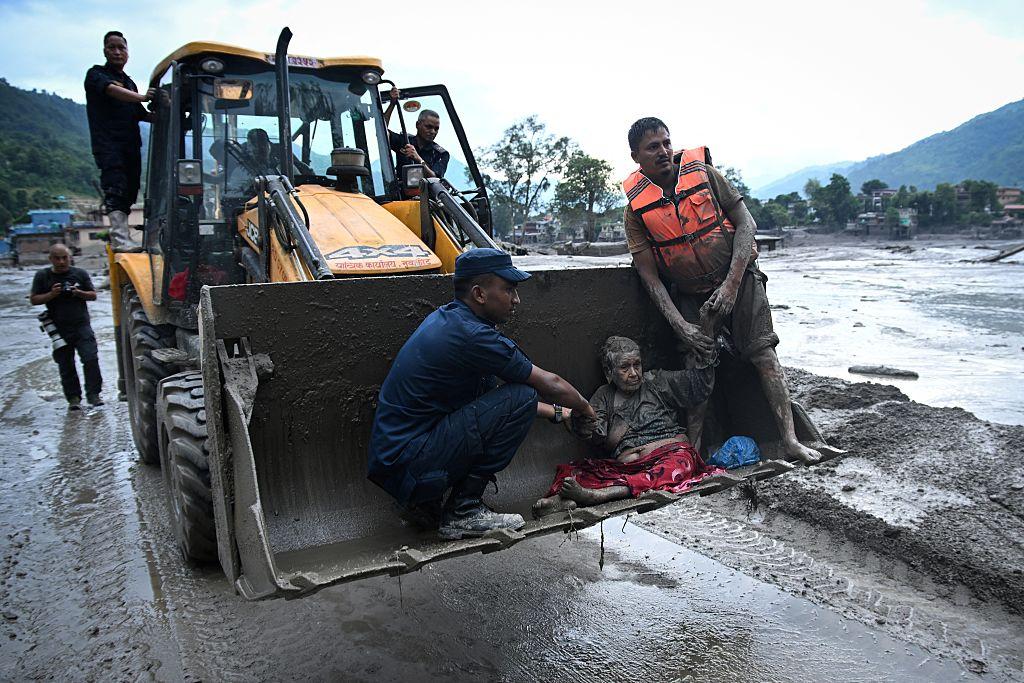
While the scale of the destruction has been overwhelming, thousands of people have also been working tirelessly to save lives. The Nepali Army, Nepal Police, Armed Police Force, medical teams, local authorities and other responders have been involved in search, rescue, evacuation and relief operations.
According to the latest government update, more than 20,000 security personnel have been deployed, and more than 10,000 people have been rescued. Hundreds of helicopter flights have also been carried out as teams continue reaching places where roads and bridges have been destroyed.
But rescue work has not been easy. Thick mud, damaged infrastructure, difficult mountain terrain, unstable conditions and continuing flood risks have complicated operations. In some areas, rescuers have had to work through debris to reach people trapped inside damaged infrastructure.
Every successful rescue brings hope.
Every recovered body brings another family a painful answer.
And behind every rescue operation are people working through exhaustion because someone, somewhere, may still be waiting to be saved.
Nepal Is Mourning More Than Lives
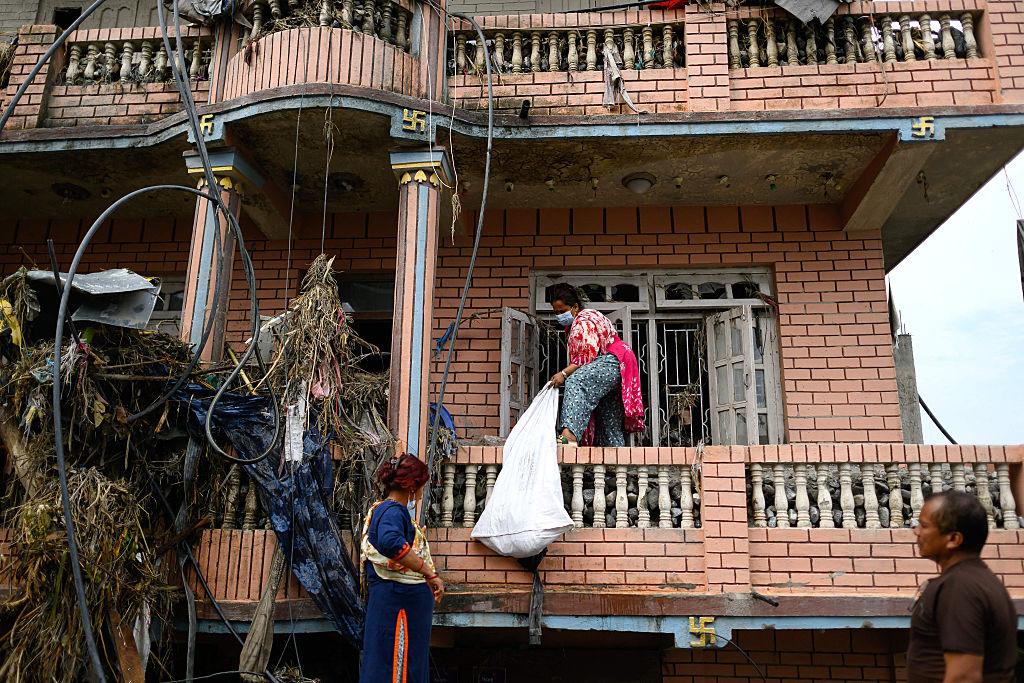
The loss from a disaster like this cannot be measured only through the number of people who died. Families have lost homes, businesses have lost workplaces, communities have lost roads and bridges, and workers have lost the places where they earned their livelihoods.
Some people who survived the flood now have nowhere to return to.
Others are returning to homes covered in mud, trying to recover whatever remains. For families who have lost everything, rebuilding is not going to happen overnight. It will require time, resources, support and, above all, strength.
The disaster has also affected important infrastructure, including hydropower projects. The scale of damage has raised difficult questions about how infrastructure in vulnerable areas should be rebuilt and how future disasters can be better anticipated and managed.
Recovery will therefore mean much more than clearing mud from roads.
It will mean helping people rebuild their lives.
But In the Middle of Tragedy, Humanity Remains
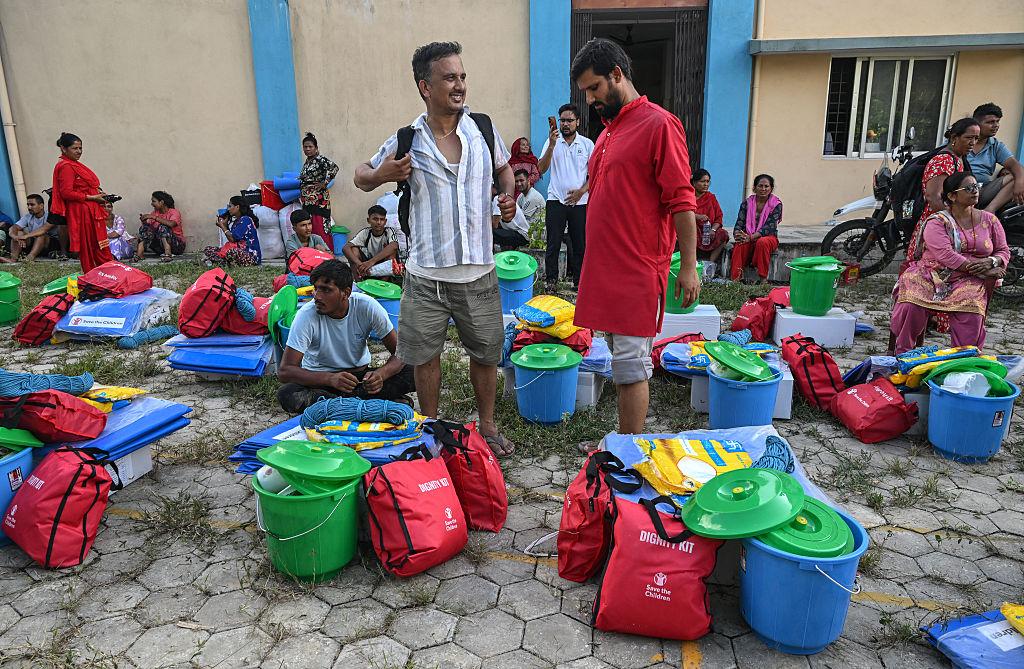
Disasters have a way of showing the most painful side of life, but they can also reveal something deeply human.
People helping strangers. Communities sharing food and shelter. Rescue workers risking their own safety. Medical teams treating the injured. Volunteers collecting essential supplies. Families opening their homes to people who have nowhere else to go.
In moments when everything seems to be falling apart, these acts of kindness become reminders that people do not have to face tragedy alone.
The road to recovery will be difficult, but Nepal has always carried a powerful sense of community through difficult times. In the days and weeks ahead, that spirit will matter just as much as emergency response.
Because rebuilding a road is one thing.
Rebuilding a life requires people standing beside one another.
This Is a Moment to Remember, Not Just a Moment to Watch
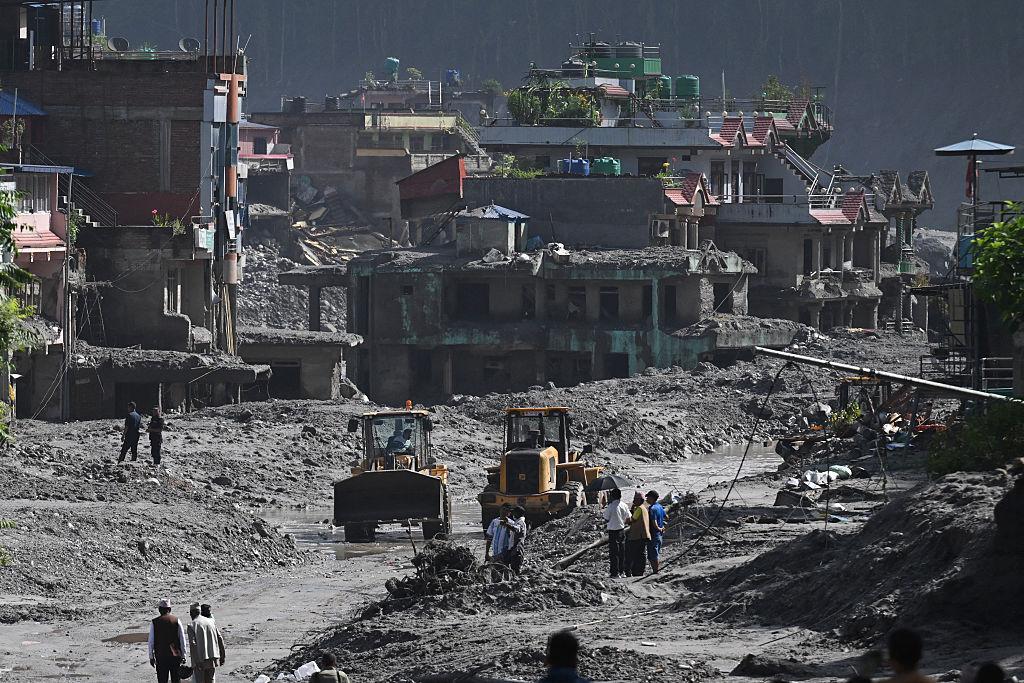
In the age of social media, disasters can quickly become videos, photographs and headlines that appear on our screens and disappear a few minutes later.
But for the people directly affected, there is no scrolling past what happened.
The disaster will remain in their homes, their communities, their memories and their families.
This is why it is important to remember the people behind the headlines. To remember the lives that were lost, the families still waiting, the survivors who have to begin again, and the people working tirelessly to bring help to those who need it.
It is also a reminder that disaster preparedness, early warning systems, resilient infrastructure and responsible planning are not abstract ideas. They can mean the difference between a warning arriving in time and a community being caught unprepared.
The tragedy should not simply be remembered for the destruction it caused.
It should also remind us of the lives that must be protected in the future.
Nepal Needs Time to Heal
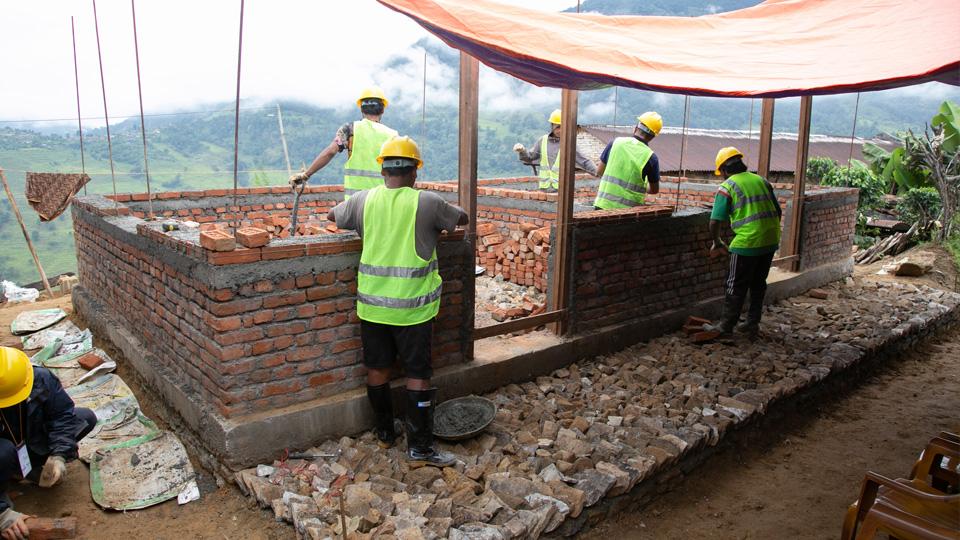
The water may eventually recede, the roads may eventually be rebuilt, and the damaged buildings may eventually be replaced.
But healing takes longer.
For families who lost someone, there is no simple rebuilding. For survivors who watched their homes disappear, returning to normal will take time. For communities that lost infrastructure and livelihoods, recovery will require sustained support long after the headlines fade.
The immediate priority remains saving lives, finding those who are missing, caring for survivors, providing essential supplies, and supporting affected communities. The longer-term challenge will be rebuilding in a way that is safer and more resilient.
The disaster has already shown how quickly a natural hazard can become a national tragedy.
Now, the response must show how strongly a nation can stand together afterward.
A Message of Condolence
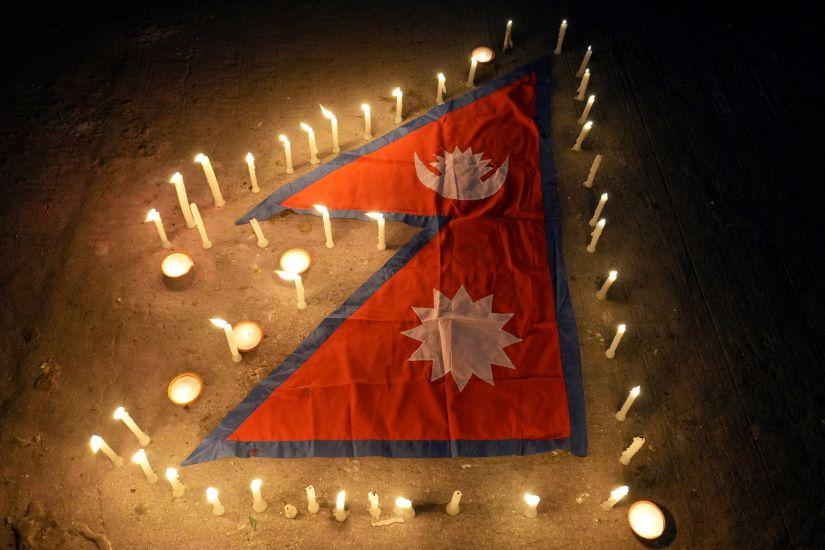
To everyone who lost a loved one in this devastating disaster, words are not enough to express the depth of this loss.
To the families still waiting for news, we hope you find strength in the days ahead.
To the survivors who have lost homes, livelihoods and everything they built, may you find the support needed to begin again.
And to every rescue worker, medical professional, volunteer, security personnel and individual who has stepped forward to help, thank you for standing beside Nepal during one of its darkest moments.
May those who lost their lives rest
in peace.
May those who are still missing be found.
May the injured recover.
May the affected families find strength.
And may Nepal heal, together.
Our thoughts, prayers, and deepest condolences are with everyone affected by this tragedy.